

Afyon citadel
Afyonkarahisar (Turkey) is a cool name for a town.
To start, it’s seven syllables. How many towns can claim that? In the US, Philadelphia has five, Indianapolis has six. The full name for Llanfairpwllgwyngyll (Wales) has around 15 syllables, and there’s a town in Thailand with even more. However, among towns that people regularly say and name on signs, Afyonkarahisar must be in a select group.
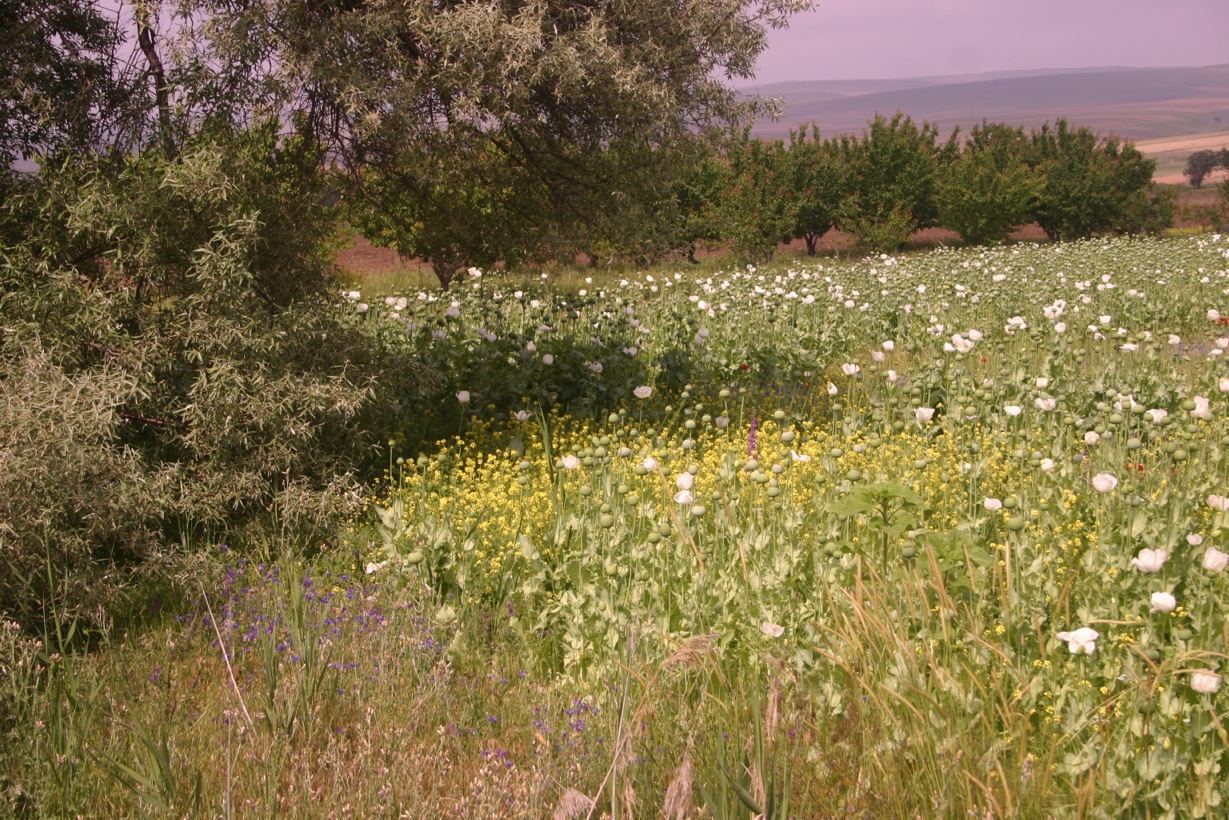
Poppies (Papaver somniferum)
The meaning of Afyonkarahisar is striking, too. “Hisar” means citadel or fortress, and refers to the stunning rock/castle in the center. It’s 570 steps up, which should convey a sense of its height.
“Kara” means black and “Afyon” means opium, which is widely grown in the area. So, Afyonkarahisar is the Black Citadel of Opium.

Ottoman era houses
You can see poppy growing in many places around Afyonkarahisar. This is essential for one of the regional specialities, Kaymak, a creamy dairy product, made from the milk of water buffalos. The water buffalo are fed the residue of poppy seeds (haşhaş) after it has been pressed for oil. Kaymak is often traditionally eaten with honey as a supplement to breakfast.
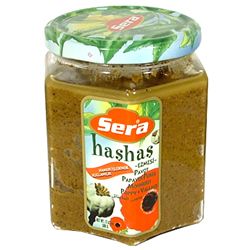
Opium seed paste
Haşhaş (or opium seed paste) itself is sometimes served at breakfast. I learned that it is given to children to calm their stomachs and to help them sleep through the night (hush-hush?). Since my own stomach has been queasy lately, I’m hoping a generous serving will benefit me as well.
Down at the bottom of the citadel is an old town, with many houses from the Ottoman era. We stayed in one that’s been converted into a charming hotel: Şehitoğlu Konaği. Other than bumping my head, which seems to be a problem everywhere I go, I enjoyed the step into the past, with elaborate woodwork, long sofas, and many pots, pitchers, and plates made of copper or silver.



 There was also a lot of group singing, which we were invited to join, with song sheets showing the Farsi words in a Latin alphabet. All of this occurred as we enjoyed an excellent dinner of salmon, fresh vegetables, and good Persian bread.


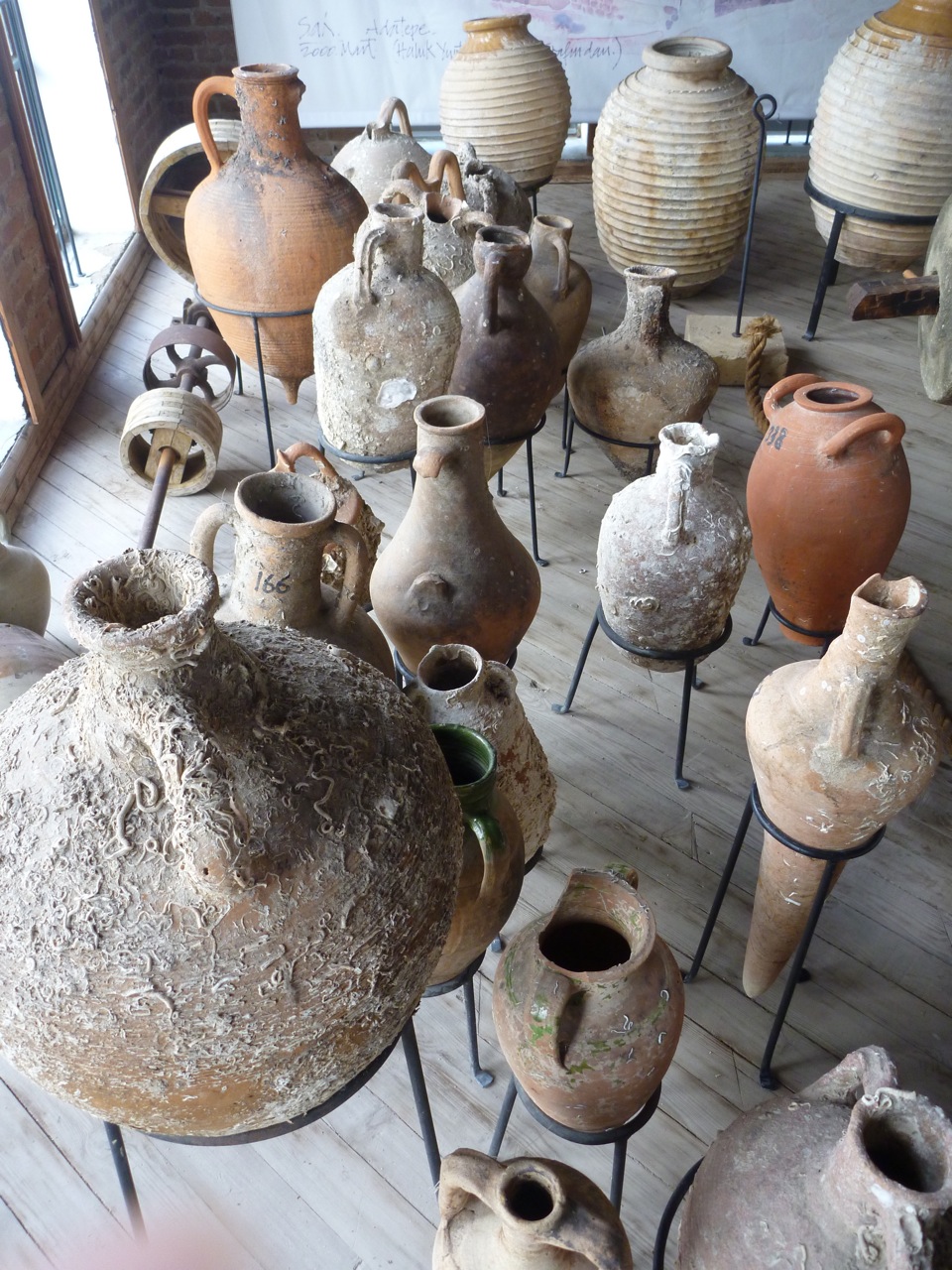
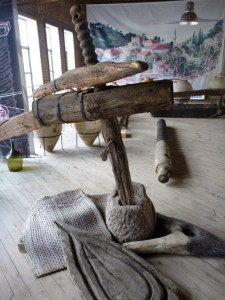 There are also amphoras from sunken ships of early Mediterranean trade (which never made it to the Bodrum symposium). There are displays of various tools for making olive oil soap, charts of the annual cycle of olive production, maps showing the spread of olives from Syria westward, and writings in Jewish, Christian, and Islamic sacred texts.
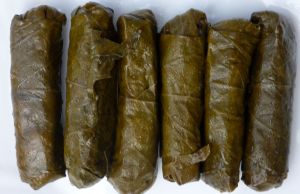 Yesterday, we went back to get some more. The young man behind the counter offered one for a taste. Again, they were delicious, so I asked for a full container of about 20. He prepared those and sent me off with a smile.

 Happy Pi day! It’s March 14, or 3/14, the first three digits in the decimal expansion of Pi.

 Chip's journey